To optimize or not to optimize? That is the question.
I tried optimizing the optimal amount and ended up not optimized. [0] So what gives?
— —
You know optimizers. You may be one. Optimizers are the kind of people who spend hours researching a city’s best restaurants before visiting. The sort who cannot play video games without researching and practicing optimal strategies; the people who would, as I did once, tape a post-it note onto their computer that records the exact actions they need to take in the game Age of Empires after three seconds, seven seconds, ten seconds, forty seconds, etc. into the game.
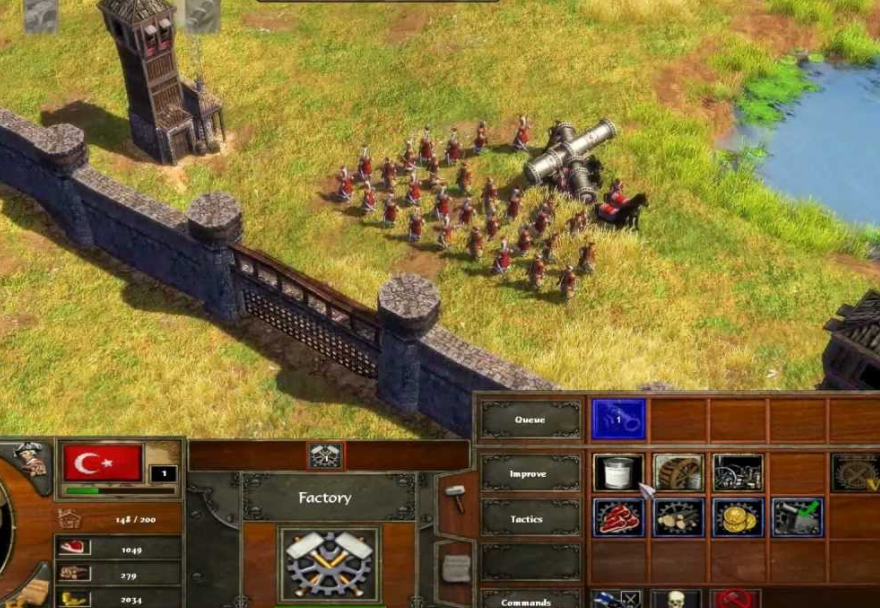
There are levels to this. I am not as much of an optimizer as some people, like the guy who sent me an hour-by-hour Notion calendar of his Japan trip itinerary. But all of us share something in common: our default to approaching new things is to assume that the goal is for it to be optimal.
For a long time, I viewed this approach as reasonable and worthy. Sometimes I even had a weird sense of superiority. Look at the tourists eating at the tourist trap restaurants. Look at the new guy in the video game who doesn’t know the right sequencing of play yet. And look at me, The Optimizer, winning at life.
It pains me to say it, but I think I’ve been doing this all wrong. Over the past year or so, a series of disconnected events have caused me to reconsider optimizing and start enjoying things more.
— —
One big problem with optimizing is you never have perfect information, which means the optimization will never stop. There will always be something else to optimize, forever. So you can play Age of Empires for a year and you can study the online forums. But one day you will play against somebody and they will use a strategy you have never seen; all of a sudden you realize you can optimize more.
Worse, optimizing often does not make a difference to your enjoyment of something. You end up optimizing as a means to an end. The optimizing becomes the bottom of the barrel from which you scrape morsels of fun.
Last year I decided I wanted to get into coffee. So I binged James Hoffmann’s YouTube channel. I followed all his advice about the water temperature, the grind size, the beans, the brew.
A few months in, I realized I was doing all of the optimizing without most of the benefits. On a good day I might be able to tell the difference between a floral orange note and a cowshit in a rainy field note but my palate was not much more advanced than that. I could put in the work like the coffee nerds to understand the nuances, but did I want to do that? I already liked coffee. So I got a Nespresso, and things are good now. So unoptimized, yet so good.
In the saddest of cases, optimizing can decrease your enjoyment of something.
During a recent biking trip I found myself sitting around a fire with two friends in an old Scottish fishing hotel. We were playing a game called Rummy 500. Midway through our second game, I found myself thinking about how terribly we were most likely playing. I should be memorizing all the cards that are put down, I told myself. I should be constructing my friends’ hands in my head. I should calculate the probabilities and let them determine when to play my hand. This is true, actually, and skill accounts for most of the outcome variance in a Rummy 500 game among skilled players.
If I had optimized, the game would no longer have been fun. Because when your implicit goal is to optimize something, then the definition of “failure” warps to become “unoptimized”. It’s no longer about whether or not you had fun, or whether or not you won or lost. It’s about whether everything was perfect.
Speaking of biking, I have felt the urge to optimize there, too. Ever since Instagram figured out I bought a bicycle I have seen thousands of videos about optimizing.
- How to train to get 1% faster.
- Why you need to use one kind of pedals over another.
- Why you need to maximize your nutrition in XYZ ways.
- Why you need to bike at least 5 days per week.
These are not accounts making videos for professional cyclists. These are accounts meant for amateurs. People who are biking on the weekends, or after work. And I wonder, well: why? What is even the point here?
— — —
I don’t think you should stop trying to improve. Improving can be good. Trying hard can be good. And there is joy to be found in becoming better at something.
Rather, I think this is more about goal-setting.
When you do something new, what is your goal? The default for optimizer types is to assume that the goal is to optimize it to its fullest. To assume that if I play rummy or poker, I should know the probabilities and pay close attention to the cards. To assume that if I visit a new city, I should inform myself about all of its good restaurants beforehand. To assume that if I purchase a bicycle, I should spend 50 hours researching to find the best bike ever.
These are not inherently bad goals. But they are also not inherently worthy. And I do not think they should be the default.
I remember playing Age of Empires with a friend of mine about a decade ago. We both played regularly, but he was not an optimizer like I was. I won our first game within minutes. Then the next, then the next, then the next. After a while I asked to watch him play against someone online. And I sat there in wonder and shock as he played the least optimized version of Age of Empires I had seen in my life.
The worst part is he was having more fun with the game than I’d ever had. [1]
[0] This essay is written from Carter’s perspective, not Jordan’s.
[1] I don’t mean to suggest that “fun” should be your default goal for everything, either. It could be! But doesn’t have to be. Instead I think it may be worth considering what your goal should be instead of approaching things with your defaults already baked-in.